Together We Can Make The Republic Great Again

To do this, governments at all levels must establish and hold inviolate the founding principles of the United States Constitution.  Each clause or provision of that Constitution is presented here, along with the reasons why it is needed for any government run by and for the people. 

Although most provisions are taken word for word from the U.S. Constitution and are written for a national government, they may be adapted for any State, Province, County, City, Town, Burrough or District. Thus, if adapted for a County, substitute the name of the County for Nation, and of the Town for State. If for a Municipal Government, substitute the name of the City for Nation, and of the Burrough for State.

For freedom to prevail, governments must include in their constitution or charter, the provisions presented here, including language similar to the Ninth and Tenth Amendments to the U.S. Constituition, and adhere strictly to them throughout its continuance.

My Story

I was born with a silver spoon to an immigrant mother, whose loving nurturing and nursing skills saved me several times, and father and grandfather who taught me how to work, how to build and repair, and about being true. I learned light and truth (reading, writing, arithmetic, science and history) from excellent teachers in elementary (Francis Stillman), high school (Tabor Academy), and college (Yale, Brigham Yong and Utah State Universities) in the days when they were taught.

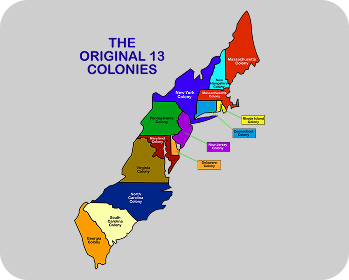
Douglas Buck is a direct descendant of Emanuel Buck, his 6th great grandfather, who settled in Wethersfield Conecticut, about 1640, a town that practiced democratice governance in town meetings and, along with Hartford and Windsor, established one of the first republican governments in the modern era with a constitution (The Fundamental Orders of 1639). Other direct early American ancesters are Alden, Arnold, Clark, Kimball, Mullins, Pabodie, Robinson, Saltonstall, Talcott, Wells, Winthrop, and many others. Doug yet occupies the family homestead, purchased in 1739 by his 4th great grandfather, Capt. Josiah Buck. He lives with his wife, Virginia Shepard Buck, the daughter of RADM Evan Tyler Shepard. She is also of rich heritage including a direct descendent of King James I of England (also James VI of Scotland), whose translation of the Holy Bible is widely read today.

They are the happy owners of several books about life in early Connecticut, some written by Doug’s great-grandfather, George Larkin Clark. Most of the Bucks were farmers, among Councilmen, Governors, Ministers, Merchants, and Seamen. 

The photo at the left shows Doug posing in colonial garb in front of his home in Wethersfield, compliments of Kelly Kamay, www.kamayphoto.com 

Can the Republic Endure?

It can, if we (1) choose good, wise and honest men and women to represent us;
(2) re-enthrone the founding principles envisioned by the Founders of the United States;
and, (3) learn those principles, meditate upon them, honor and sustain them.

Here are questions to ponder for understanding, and to find out if your federal, state and local governments comply with principles that will secure liberty and justice for their citizens:

1. WHY was each clause of the United States Constitution written?
2. DOES your state constitution measure up?
3. Have you read it?
4. HOW can you know if your town or city charter is a good one?
5. What rights does the Bill of Rights give you? (This is a trick question.)
6. Are liberty and justice equal for all citizens?
7. Does your state constitution declare what the government can do?
And what it must not do?
8. Does your town or city charter state clearly what the Town or City
can and cannot do?

NATURAL RIGHTS AND DEMOCRACY

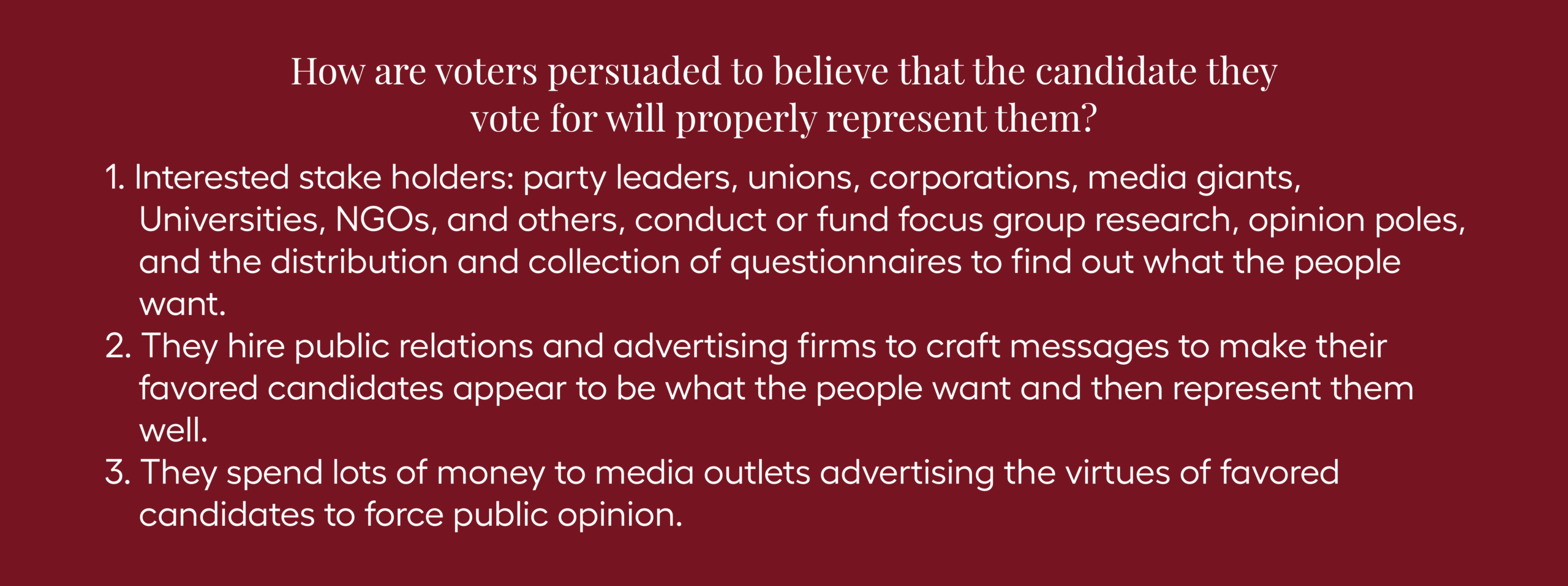
In a free nation, the people can think, speak and act any way they choose, so long as they do not violate other peoples’ equal rights. The governments they establish hold only sufficient powers to protect these rights.

Democracy and home rule was practiced in town meetings during the colonial period. Republican government was established by the Fundamental Orders of Connecticut in 1639. This early charter secured self-government through the people’s free consent and representative decision-making.

Natural Rights

The concept of natural rights is plain and simple.  It is that every human being of majority age is free to do or have whatever he or she wants as long as it does not infringe upon another’s equal rights. A person may voluntarily give up some rights, usually in the form of service or money, to join in an association or compact with neighbors for protection and other benefits (in other words, a government). These other benefits might include putting in roads and utilities, educating their children, and constructing and maintaining public buildings. 

Democracy and Home Rule

Home rule and the Rule of Law in the modern era, fostering freedom and justice, began in earnest in Southern New England under an early constitution titled, the Fundamental Orders of 1639, conceived in response to a sermon by Thomas Hooker, in which he said: The foundation of authority is laid firstly in the free consent of people. It was a radical idea for its time.

Articles

Article Ⅰ

Legislative Department

Laws are created in the Legislative Branch and become binding only after review, debate, and approval by both the House of Representatives and the Senate. A bicameral system helps prevent poorly made laws and ensures they are written clearly and easy to understand.

Article Ⅱ

Executive Department

The President holds executive authority, oversees all security forces and administrative departments, and appoints key officials with Senate approval. The President must report to the Legislature, recommend necessary measures, and ensure that all laws are properly carried out.

Article Ⅲ

Judicial Department

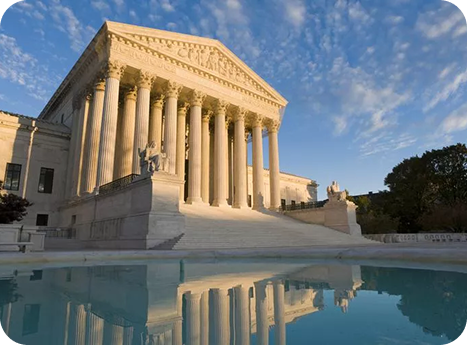
Judicial power belongs to the Supreme Court and lower courts, covering all cases related to the Constitution and national laws, except suits against a State by outsiders. Supreme Court decisions can be overridden if two thirds of State supreme courts object.

Article Ⅳ

State Relations

State must recognize each other’s official actions, and citizens receive equal protections throughout the United States. Each State is guaranteed.

Article Ⅴ

Amendment Process

The Constitution can be amended when two thirds of both legislative houses or two thirds of State legislatures call for it, and any amendment must be ratified.

Article Ⅵ

Other Provisions

The new United States accepts all previous debts and obligations, and this Constitution along with its laws becomes the supreme law of the land.

Article Ⅶ

Ratification

Ratification by three fourths of the State establishes the Constitution, ensuring a strong majority that reflects careful and principled decision making.

Show more Articles

Articles

Other Articles

State Relations

State must recognize each other’s official actions, and citizens receive equal protections throughout the United States. Each State is guaranteed.

Amendment Process

The Constitution can be amended when two thirds of both legislative houses or two thirds of State legislatures call for it, and any amendment must be ratified.

Other Provisions

The new United States accepts all previous debts and obligations, and this Constitution along with its laws becomes the supreme law of the land.

Ratification

Ratification by three fourths of the State establishes the Constitution, ensuring a strong majority that reflects careful and principled decision making.

Show more Articles

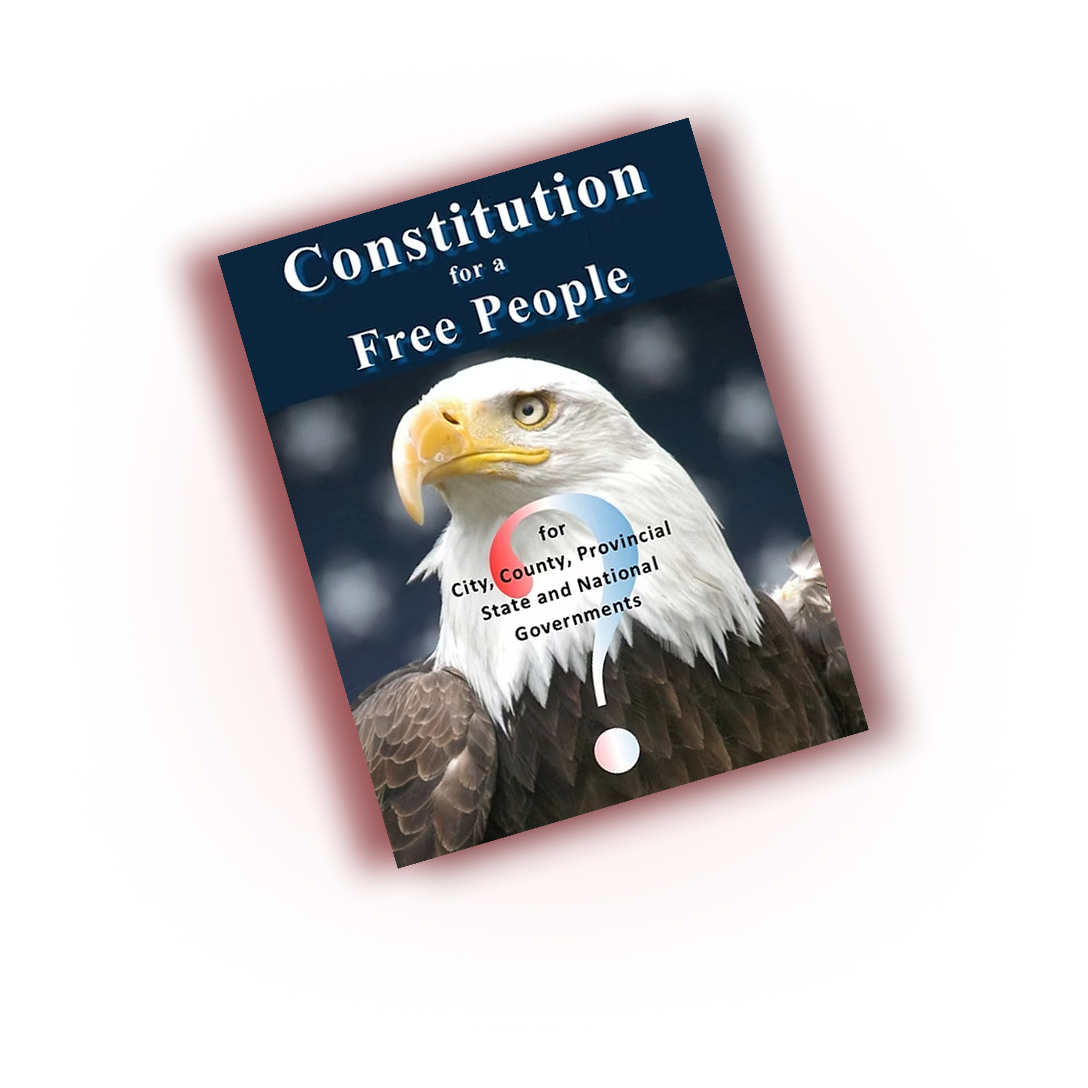
Constitution For a Free People

To Present the Principles Behind the Constitution For the United States

for use by any government (national, provincial, county, city, borough, or town) to secure liberty and justice for all people.​​

To Show the Reasons For Each Principle

is important for a true democratic republic. ​

For Anyone Who’s Tired Of Reactive Leadership And Ready to Grow

at work, at home, and everywhere else.

To Revise and Expand On A Procedure

to secure federalism and prevent concentration of power.

Constitution For a Free People

To Present the Principles Behind the Constitution For the United States

To present the principles behind the Constitution for the United States for use by any government (national, provincial, county, city, borough, or town) to secure liberty and justice for all people.​​

To Show the Reasons For Each Principle

At work, at home, and everywhere else.

For Anyone Who’s Tired Of Reactive Leadership And Ready to Grow

To show the reasons why each principle is important for a true democratic republic. ​​

To Revise and Expand On A Procedure

To revise and expand on a procedure to secure federalism and prevent concentration of power.

Acknowledgements

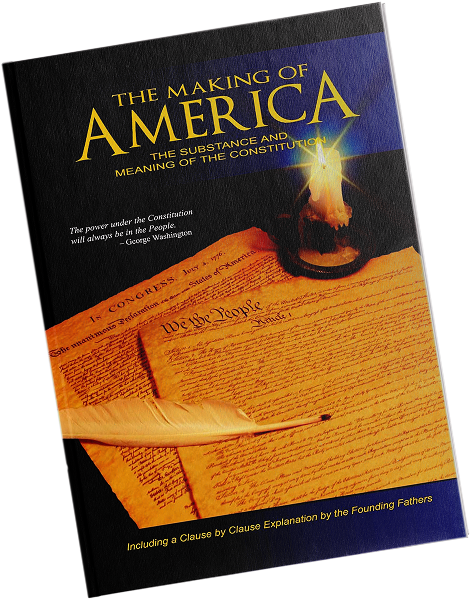
The development of this website and my other creations about the Constitution for the United States have relied heavily on W. Clean Skousen’s timeless book: The Making of America, the Substance and Meaning of the Constitution, published by the National Center for Constitutional Studies, Malta, Idaho, 1985 Nccs.net In this book, Dr. Skousen provides clear and convincing rationale for each provision of that Constitution.

When first reading this book twenty years ago, I felt to exclaim: “It makes perfect sense. That is exactly why those provisions were written and why they must be included in any good charter or constitution.”

Information specifically about Dr. Skousen and his works has been compiled by his son, Harold Skousen, and is available here:

We thank Kelley Kamay Photography for portraits of the Author and the old home in Wethersfield. https://Kamayphoto.com
Join our mailing list

Contact

© Copyright 2025, Douglas Buck. All Rights Reserved. |  Designed by  Websites Valley